Effective Relief for Muscle Knots and Referred Pain Through Advanced Manual & Needling Therapies
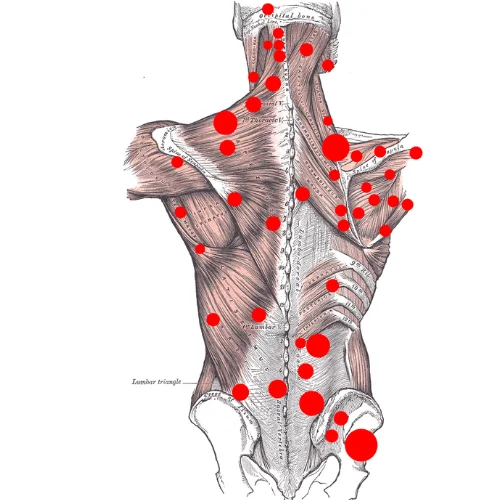
Trigger points, commonly known as muscle knots, are tight bands of muscle fibres that cause localised pain and often refer to other parts of the body. These knots may form due to muscle overuse, poor posture, prolonged immobility, emotional stress, or nutritional deficiencies. At REGENIQUE, we take a comprehensive approach to assess the physical, biomechanical, and lifestyle triggers behind your muscle pain—and offer solutions that go beyond temporary relief.
You feel persistent pain or tightness in specific muscle areas.
Pain seems to radiate to nearby regions without an obvious cause.
You have limited mobility or muscle stiffness affecting daily activity.
Massage or self-care provides only temporary relief.

You’ve developed pain after prolonged sitting, exercise, or injury.

Your pain worsens with stress, fatigue, or poor posture.
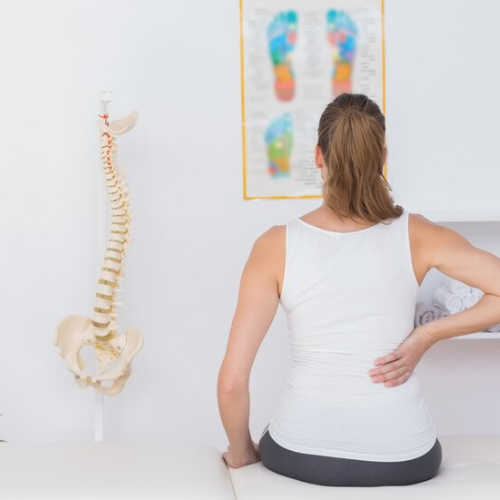
We combine precision-based therapies with hands-on expertise to release muscle tension and restore function—without surgery.
Dr. Tushar B Munnoli uses clinical palpation and ultrasound guidance to accurately locate and assess trigger points and referred pain patterns.
We offer both dry needling and trigger point injections (wet needling) to release muscle tension, reduce inflammation, and improve circulation in affected areas.
Your personalised plan may include manual therapy, physical therapy, myofascial release, and therapeutic exercises to ensure long-lasting relief and better muscle health.
Trigger points are tight knots in muscle tissue that cause pain and may refer to discomfort in nearby areas, often resulting from overuse or tension.
We use a mix of dry needling, wet needling (injections), manual therapy, myofascial release, and physiotherapy to reduce pain and restore mobility.
Dry needling uses a needle with no medication to release muscle tension, while wet needling involves injecting a local anaesthetic or saline into the trigger point.
You may feel mild discomfort or twitching during needling, but most patients find significant relief soon after the procedure.
Yes, through posture correction, stress management, strengthening exercises, and maintaining proper hydration and nutrition.